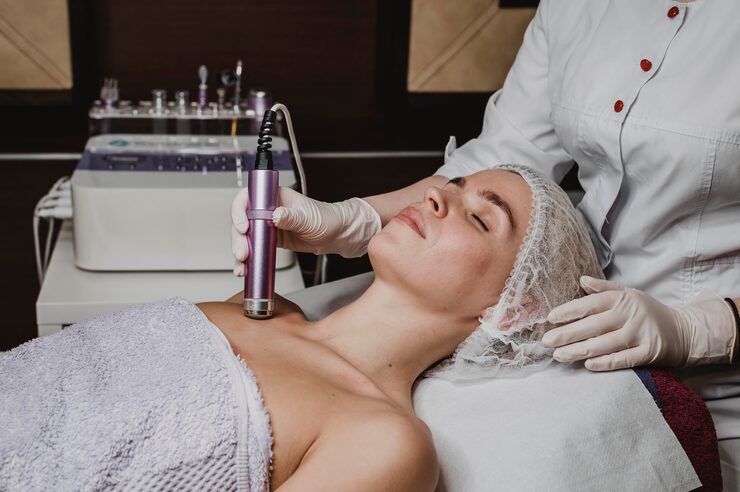
Advances in skincare technology over the past two decades have shifted the focus away from invasive procedures and toward treatments that work with the skin’s natural biology. One of the most influential developments in this space is radiofrequency (RF) technology, now widely used in both clinical and at-home skincare routines.
Originally developed for medical applications, radiofrequency energy is now carefully adapted for cosmetic use, allowing users to support skin firmness, texture, and tone without surgery or recovery time. Understanding how this technology works—and how it differs from other skin treatments—can help set realistic expectations and encourage safer, more informed use.
What Makes Radiofrequency Different From Other Skin Technologies?
Unlike lasers or intense pulsed light (IPL), radiofrequency does not rely on light energy or pigment targeting. Instead, it uses electrical currents to generate controlled heat within the skin’s deeper layers. This heat stimulates the dermis without affecting the surface of the skin, making RF suitable for a wide range of skin tones and types.
The primary goal of RF treatment is to support collagen activity. Collagen fibres respond to heat by contracting and gradually regenerating, which can lead to firmer-looking skin over time when treatments are repeated consistently.
Why Consistency Matters More Than Intensity
One of the most misunderstood aspects of radiofrequency skincare is the idea that stronger or more frequent treatments produce faster results. In reality, collagen remodelling is a slow biological process. Excessive heat or overuse does not accelerate outcomes and may lead to irritation.
This is why many modern skincare routines prioritise moderate, repeatable sessions that fit naturally into weekly or monthly habits. The effectiveness of RF technology is cumulative, meaning results develop gradually and are best supported by consistent use rather than aggressive treatment schedules.
Professional RF Treatments vs At-Home Use
In professional clinics, radiofrequency devices operate at higher energy levels and are administered by trained practitioners. These treatments can produce noticeable changes in fewer sessions, but they are also more expensive and less accessible for ongoing maintenance.
At-home RF devices are designed with safety limits that allow regular use without medical supervision. While results develop more slowly, these devices enable users to maintain skin conditioning routines over the long term. Many people view at-home RF as a way to preserve skin firmness rather than dramatically alter facial structure.
For those researching how consumer-grade RF devices are engineered and regulated, this overview of a radiofrequentie apparaat provides insight into how professional concepts are translated into safe, cosmetic-use technology.
Safety Standards and Certification
One critical factor often overlooked when discussing at-home skincare devices is regulatory compliance. Devices used on the skin must meet specific electrical and safety standards, particularly in the UK and EU. Certification such as CE and RoHS indicates that a device meets established requirements for electrical safety and material compliance.
Without proper certification, devices may not be suitable for professional or insurance-backed use, and in some cases may pose unnecessary risk. This is especially relevant for practitioners who integrate RF tools into facial treatments or skin-conditioning services.
Who Typically Benefits From RF Skincare?
Radiofrequency treatments are generally most effective for individuals experiencing early to moderate signs of skin laxity. This includes subtle sagging, loss of firmness around the jawline, and fine lines rather than deep wrinkles.
RF technology is not intended to replace surgical procedures, but it can play a meaningful role in preventative skincare strategies and long-term skin maintenance. When combined with sun protection, hydration, and a consistent skincare routine, RF treatments can support healthier-looking skin as part of a broader approach.
The Future of At-Home Skincare Technology
As consumers become more informed, interest continues to shift toward technologies that deliver gradual, science-backed results rather than instant cosmetic fixes. Radiofrequency devices reflect this trend by offering measurable skin-conditioning benefits without downtime or invasive methods.
The growing availability of regulated, home-use RF tools suggests that future skincare routines will increasingly blend professional principles with everyday accessibility—empowering users to take a more active role in maintaining skin health over time.
