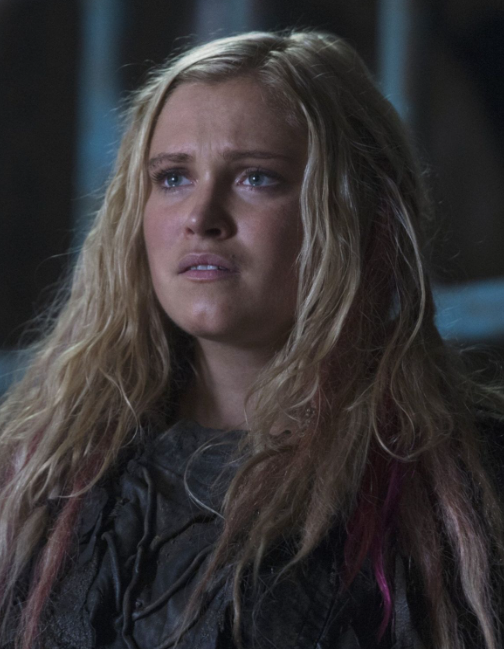
When individuals discuss the most heartbreaking episode of The 100, they concentrate on a single episode. In actuality, such moments are made gradually. Emotional scenes rely on context, which evolves through multiple episodes. How preparation influences delivery is occasionally mentioned in the Devon Bostick interview discussions. Actors use previous scenes to develop subsequent reactions. This accumulation stems from making some scenes heavier without the use of dramatic effects.
The emotional scenes are perceived differently by viewers due to the choices of performance.
The style of acting is a major contributor to the expression of sadness on screen. The most heartrending moment of the 100 is usually reliant on nuanced responses as opposed to booming responses. Minor variations in tone or movement can alter the feeling of a scene. These little decisions are sometimes given attention in a Devon Bostock interview. They describe how a scene is more effective with restraint. This method does not overexplain emotions.
There is a tendency to have little dialogue in the most effective scenes.
Numerous emotional moments make the dialogue less frequent and more meaningful. Pauses and silence are common in the saddest scene of the 100. This enables the viewers to concentrate on graphics and responses. A Devon Bostick interview can emphasize the importance of silence being timely. It is integrated into the performance and not blank space. The method assists in greater emotional clarity with no further clarification.
Emotional weight and clarity are greatly contributed to by scene pacing.
The pace of a scene influences the audience’s experience. The most heartbreaking scene of the 100 tends to drag as opposed to the normal pacing. This transformation will give time to think about what is going on. Direction: Sometimes, pacing adjustments are mentioned in a Devon Bostick interview. The slower movement and longer shots result in another atmosphere. It assists in underlining the gravity of the situation.
The relationships between characters determine the emotional scenes.
When there is a strong relationship, then emotional influence is heightened. The most heartbreaking moment of the 100 tends to relate to existing relationships between the characters. The scene might lack importance without that association. An interview with Devon Bostick could shed light on the way in which actors develop these relationships. It reveals emotional scenes as being dependent on previous interactions. This base gives subsequent moments significance.
Visual framing focuses on important emotional aspects.
Framing and placement of the camera affect what the viewers see initially. Close shots are frequently employed in the saddest scenes of the 100 to emphasize reactions. This maintains focus on expressions and not backend activity. A Devon Bostick interview can talk about the influence of camera work on performance. There is framing and distance adjustment by actors. This coordination helps to balance the effect of the scene.
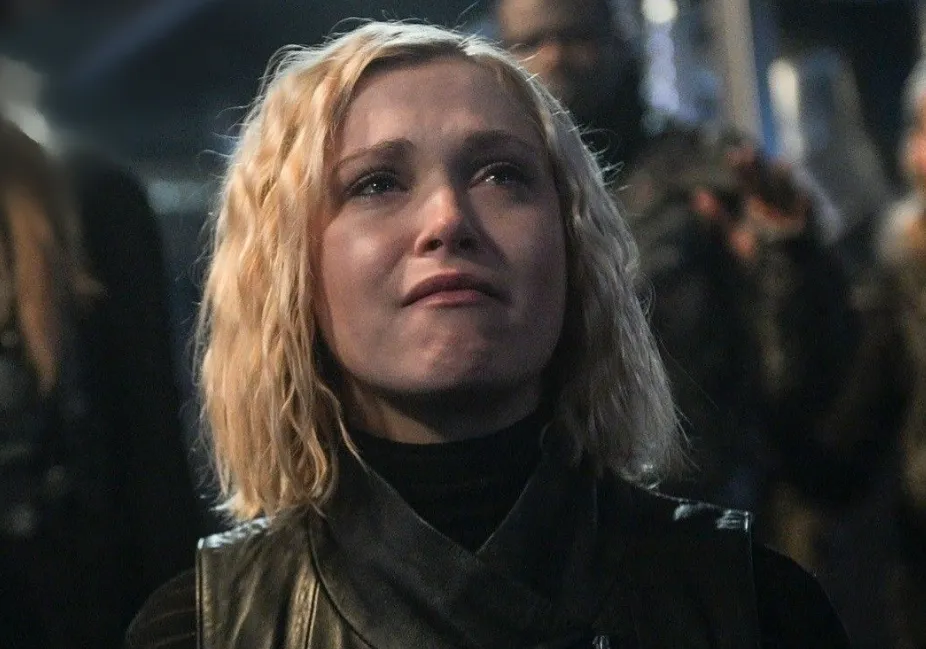
Music and sound design enhance but do not replace performance.
Sound elements support emotional scenes but do not carry them alone. The saddest scene of the 100 often includes subtle background music. It adds tone without overwhelming the performance. In a Devon Bostick interview, sound design may be referenced as part of production. It works alongside acting rather than replacing it. This balance keeps the focus on the characters.
Viewer interpretation varies based on personal connection to characters.
Different viewers may identify different scenes as the most emotional. The saddest scene of the 100 is not always the same for everyone. Personal connection influences how scenes are perceived. A Devon Bostick interview might acknowledge this variation in audience response. It shows that emotional impact is not fixed. This flexibility allows multiple scenes to stand out for different reasons.
Editing choices determine how long emotional moments are emphasized.
Editing plays a role in shaping how scenes are experienced. The saddest scene of the 100 often includes extended shots or repeated angles. These choices highlight specific reactions or events. In a Devon Bostick interview, editing may be mentioned as part of the outcome. It helps control pacing and focus. This process shapes the viewer’s emotional response indirectly.
Context from earlier episodes strengthens the overall emotional effect.
Scenes do not exist in isolation within the series structure. The saddest scene of the 100 relies on context built across multiple episodes. Earlier events create expectations and emotional investment. A Devon Bostick interview may refer to this continuity indirectly. It shows how long-term storytelling supports individual moments. This connection increases the overall impact.
Practical observation helps identify why certain scenes stand out.
Looking closely at structure and performance reveals useful patterns. The saddest scene of the 100 becomes easier to understand through analysis. Observing pacing, dialogue, and framing provides insight. The Devon Bostick interview discussions often reflect these technical aspects. This approach focuses on how scenes are constructed. It moves beyond simple emotional reaction into practical understanding.
Conclusion
A combination of performance, pacing, and context influences emotional scenes and not one aspect. The combination of acting decisions, editing, and sound design produces a stratified effect. All these factors play a role in the experience of a moment by viewers. By listening to these aspects, it is possible to understand why some scenes are more memorable than others. To get more specifics and regular updates, consider further reading of guided sources and reading professional materials regularly.
